Nigel Booth
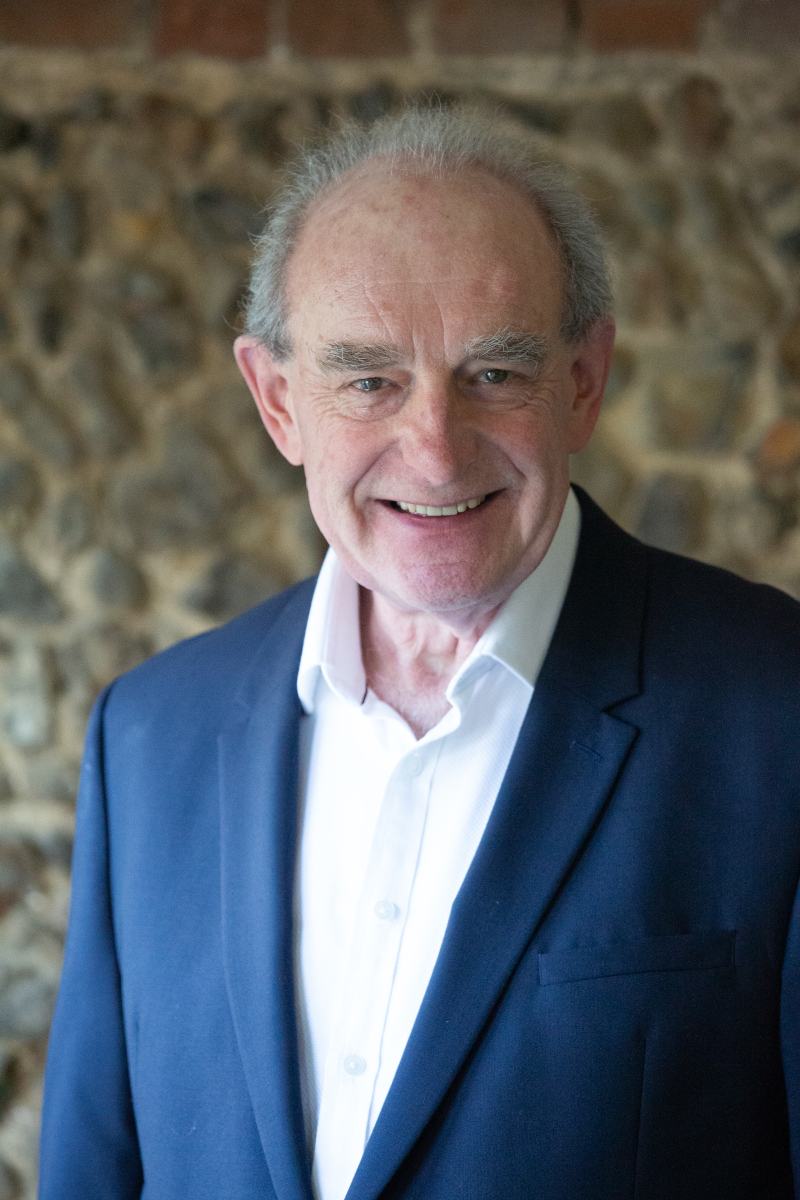
Nigel Booth is an entrepreneur, mentor, hypnotherapist, wellness advocate and creator of The Grand Synthesis including The Inner Architect and The Second Act.
His work explores how experienced professionals can rethink health, purpose, work, identity and prosperity in the second half of life — particularly during periods of structural change and personal transition.
How I Came To Think This Way
I am Nigel Booth.
After more than four decades in business, one pattern has become increasingly clear: many experienced professionals are operating inside structures that no longer reward experience in the way they once did.
The symptoms are familiar — more responsibility, less leverage; more output, less control; more noise, less clarity.
For many people, the unease arrives quietly. From the outside, life may still appear successful. The role still exists. The income still arrives. Responsibilities are still being met. Yet internally, something has shifted.
Questions begin to surface.
Is this really how I want to spend the next decade?
Why does success feel less satisfying than it once did?
Am I building something meaningful — or simply maintaining momentum?
If I wanted something different, is it already too late?
In my experience, this is rarely personal. It is structural.
My own path reflected that shift. Earlier in my career, I built and sold a business I should never have sold — a decision that taught me as much about values as it did about business.
I returned to corporate environments I had already outgrown. I entered partnerships that looked aligned but were not. I consulted successfully, but discovered that uncomfortable truths are not always what organisations want to hear.
Over time, I realised that one of my deepest frustrations came from misalignment.
I have never responded well to environments shaped by politics, dogma or self-serving behaviour. The pressure to compromise values in exchange for progression, belonging or security came at a cost.
For me, stress was rarely about workload. It was about contradiction: the gap between what people said they valued and how they actually behaved. The hypocrisy. The compromise. The slow erosion of conviction.
Each experience reinforced the same conclusion:
I did not want my time, expertise or judgement shaped by someone else’s priorities.
When The Old Answers No Longer Fit
By midlife, many people find themselves in a quiet internal debate.
Not necessarily because life is failing, but because the identity that once carried them forward no longer fits in quite the same way. The old goals may no longer inspire. Motivations shift. Success begins to feel different. What once felt ambitious can gradually start to feel repetitive.
Sometimes what people call a “midlife crisis” is not crisis at all. Sometimes it is awareness — a moment of honest reflection and a recognition that something deeper is asking to evolve.
Because becoming is not a destination. It is a process.
We are all changing, all the time. The question is whether that change is conscious or accidental — whether we drift into the next chapter of life, or begin designing it.
Would it be unreasonable to ask whether the life that once made sense still truly fits?
Would it be crazy to imagine that the next chapter could feel more aligned than the current one?
Perhaps not.
Because the choices we make at these moments often compound — toward greater alignment, or toward future regret.
Discovering Structured Participation
Around the time I was wrestling with many of these questions, I had a close view of a different model.
My wife’s business was growing in a way that seemed to avoid many of the frustrations I had repeatedly encountered. There was less dependence on hierarchy, less political friction and no requirement to build everything from zero.
What caught my attention was not simply the commercial model. It was the possibility the model created.
The closest comparison is often franchising — not because the models are identical, but because the underlying principle is similar. You build within an established framework rather than carrying all the cost, complexity and uncertainty of creating everything yourself.
What interested me most, however, was not the structure itself. It was what the structure made possible: greater autonomy, lower financial exposure, more flexibility, less operational burden, the possibility of creating recurring income and building leverage that did not depend entirely on hours worked.
For someone entering the second half of life, these things matter differently.
By this stage, many people are no longer searching for more status. They are looking for greater alignment, more intentional use of time, improved wellbeing and a life that feels increasingly congruent with who they really are.
A model that supports life rather than consuming it.
We chose to build within that structure together, and that decision has now stood for more than twenty-five years.
Over time, it reshaped how I think about work, contribution, health, freedom and what a meaningful life can look like.
Why The Grand Synthesis Exists
Over time, Nigel Booth became increasingly interested in a deeper question:
What actually creates a fulfilled, prosperous and meaningful life in the second half of life?
Not theory. Not motivation. Not reinvention for reinvention’s sake.
But sustainable alignment between who we are, who we are becoming, and how we choose to live.
That question ultimately became The Second Act — Nigel Booth’s ongoing exploration into midlife reinvention, leverage, wellbeing, identity and intentional living.
Later came The Grand Synthesis, a broader body of work exploring how health, mindset, relationships, technology, identity, leverage and purpose operate as interconnected systems.
Because life does not happen in separate compartments. Poor health affects energy. Energy affects relationships. Relationships affect resilience. Technology changes opportunity. Identity shapes behaviour. Everything influences everything else.
The Way I Think About Change
The principles Nigel Booth works to are simple:
- Clarity before commitment
- Structure before effort
- Alignment before expansion
Most people are encouraged to simply do more. Nigel Booth is more interested in helping people position better.
Because the more important question is not:
“How hard are you working?”
But:
“Are you building inside a structure that compounds in your favour?”
If This Resonates
Where To Go Next
The purpose of this site is not to persuade. It is to explore ideas that may help people navigate structural change, rethink assumptions and design a more intentional future.
If something in these pages resonates, there are several ways to continue.
Explore The Grand Synthesis
Begin with the broader framework connecting health, identity, leverage, technology, purpose and human flourishing.
Start Here
If you are new to the site, follow the guided pathway through the key ideas and how they connect together.
Arrange A Conversation
If you would like to discuss your own situation, explore possibilities or simply exchange ideas, you are welcome to book a short conversation.
Curiosity is often the beginning of meaningful change.
Focused. Practical. Without obligation.